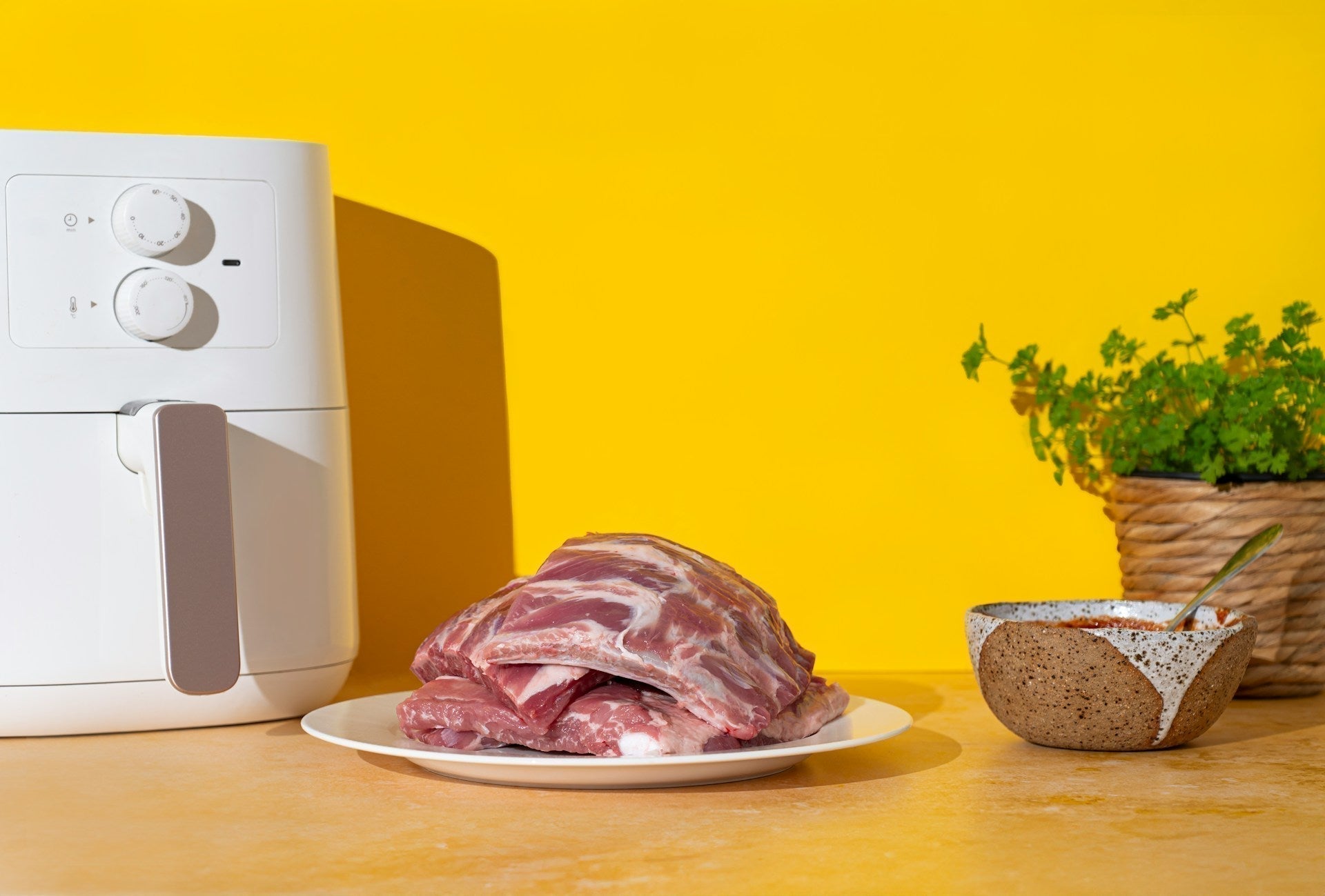
Understanding Food Storage
Proper food storage is crucial for ensuring the safety and quality of your meals. Let's delve into the importance of proper refrigeration and some guidelines for refrigerating meats.
Importance of Proper Refrigeration
Refrigeration plays a vital role in maintaining the freshness of perishable foods and preventing the growth of harmful bacteria. By keeping your fridge at the right temperature, you can significantly extend the shelf life of various food items, including meats. Maintaining an acceptable refrigerator temperature ensures that your food stays safe to eat and retains its nutritional value. For more details on optimal fridge temperatures, refer to our article on acceptable refrigerator temperature.
Guidelines for Refrigerating Meats
When it comes to refrigerating meats, there are specific guidelines you should follow to maximize their shelf life and safety:
- Temperature Control: Keep your fridge at or below 40°F (4°C) to slow down bacterial growth.
- Packaging: Store meats in airtight containers or tightly wrapped in plastic wrap or aluminum foil to prevent cross-contamination and preserve moisture.
- Placement: Place meats on the lowest shelf of the fridge to prevent juices from dripping onto other foods.
- Labeling: Label packages with the date of purchase to keep track of how long they have been stored.
| Meat Type | Refrigerator Shelf Life (Days) |
|---|---|
| Fresh Beef | 3 - 5 |
| Fresh Pork | 3 - 5 |
| Fresh Poultry | 1 - 2 |
| Cooked Meats | 3 - 4 |
By following these guidelines, you can ensure that your meats remain safe and fresh for consumption. For more information on specific meats, you can check our article on how long is pork good in the fridge?.
Understanding the importance of proper refrigeration and adhering to these guidelines will help you store your meats effectively and enjoy them at their best quality. For additional tips on organizing your fridge, visit our article on organizing a french door refrigerator.
Storing Ribs in the Fridge
Proper storage of ribs in the fridge is essential to maintain their freshness and ensure safety. Whether you have fresh or cooked ribs, understanding the correct storage methods can help extend their shelf life and prevent spoilage.
Fresh Ribs Storage
When storing fresh ribs, it is important to keep them at a consistent, cold temperature. Fresh ribs should be placed in the coldest part of the refrigerator, ideally at or below 40°F (4°C). Ensure they are well-packaged to prevent any cross-contamination and to retain their moisture.
| Storage Method | Temperature | Duration |
|---|---|---|
| Fresh Ribs | ≤ 40°F (4°C) | 3-5 days |
For longer storage, consider freezing the ribs. When frozen, ribs can last for several months. Make sure to use proper freezer-safe bags or containers to avoid freezer burn.
For more information on maintaining the right temperature in your fridge, check out our article on acceptable refrigerator temperature.
Cooked Ribs Storage
Cooked ribs require careful storage to maintain their flavor and prevent bacterial growth. After cooking, allow the ribs to cool slightly before placing them in the refrigerator. Store the ribs in airtight containers or tightly wrap them in aluminum foil or plastic wrap.
| Storage Method | Temperature | Duration |
|---|---|---|
| Cooked Ribs | ≤ 40°F (4°C) | 3-4 days |
If you need to store cooked ribs for a longer period, freezing is a viable option. Ensure the ribs are properly wrapped to avoid freezer burn and maintain their quality.
For reheating tips and creative ways to use leftover ribs, you can refer to our article on reheating tips for leftover ribs.
By adhering to these storage guidelines, you can ensure that your ribs remain safe to eat and retain their delicious flavor. For more information on related topics, explore our article on how long is pork good in the fridge?.
Shelf Life of Ribs in the Fridge
When it comes to storing ribs, knowing their shelf life in the fridge is crucial to ensure they remain safe to eat. Here is a guide on how long both fresh and cooked ribs can be kept in the refrigerator.
Duration for Fresh Ribs
Fresh ribs should be stored properly to maintain their quality and safety. When kept at the appropriate temperature, fresh ribs can last for a few days in the fridge.
| Storage Method | Duration |
|---|---|
| Fresh Ribs in Fridge | 3 - 5 days |
It's important to store fresh ribs at or below 40°F (4°C) to prevent bacterial growth. For more on maintaining the right temperature, check out our article on what is a good temp for your fridge?.
Duration for Cooked Ribs
Cooked ribs have a different shelf life compared to fresh ribs. Properly storing cooked ribs can extend their usability and keep them safe for consumption.
| Storage Method | Duration |
|---|---|
| Cooked Ribs in Fridge | 3 - 4 days |
Cooked ribs should be placed in an airtight container or wrapped securely in aluminum foil or plastic wrap. This helps to maintain their moisture and flavor while preventing contamination. If you have leftovers, consider exploring our article on creative ways to use leftover ribs.
For both fresh and cooked ribs, it's essential to label the packaging with the date of storage. This practice helps you keep track of how long the ribs have been in the fridge and ensures you consume them within the safe time frame.
For more information on refrigeration and storage, you can also read about how long is pork good in the fridge? and other related topics on our site.
Signs of Spoilage
How to Tell if Ribs Have Gone Bad
Knowing how to identify spoiled ribs is essential for ensuring food safety. Spoiled ribs can pose health risks if consumed. Here are key indicators to determine if your ribs have gone bad:
-
Smell: A sour or off-putting odor is a strong indicator that ribs are no longer safe to eat. Fresh ribs should have a mild, meaty smell.
-
Color: Fresh ribs typically have a pink or red color. If the ribs turn gray, brown, or have greenish spots, they are likely spoiled.
-
Texture: Slimy or sticky texture on the surface of the ribs suggests bacterial growth, indicating spoilage.
-
Expiration Date: Always check the expiration date on the packaging. Ribs should be consumed or frozen before this date to ensure safety.
-
Mold: Visible mold growth on ribs is a clear sign that they are no longer safe to eat.
Safety Precautions for Consuming Ribs
To avoid foodborne illnesses, follow these safety precautions when consuming ribs:
-
Proper Storage: Ensure ribs are stored at the correct temperature. Your fridge should be set to 40°F (4°C) or below. For more information, check our guide on acceptable refrigerator temperature.
-
Use Within Recommended Timeframe:
- Fresh ribs: Consume within 3-5 days when stored in the fridge.
- Cooked ribs: Consume within 3-4 days when stored in the fridge.
| Rib Type | Storage Duration (Days) |
|---|---|
| Fresh Ribs | 3-5 |
| Cooked Ribs | 3-4 |
-
Avoid Cross-Contamination: Use separate cutting boards and utensils for raw and cooked ribs to prevent cross-contamination.
-
Reheat Thoroughly: When reheating ribs, ensure they reach an internal temperature of 165°F (74°C) to kill any harmful bacteria. For more tips, see our article on reheating tips for leftover ribs.
-
Discard if in Doubt: If you are unsure about the freshness of the ribs, it's better to be safe and discard them.
By following these guidelines, you can enjoy ribs safely and reduce the risk of foodborne illnesses. For additional tips on storing meat, refer to our article on how long is pork good in the fridge?.
Maximizing Rib Freshness
Proper storage techniques are essential for maintaining the freshness and quality of your ribs in the fridge. This section will cover how to properly package ribs and best practices for extending their shelf life.
Properly Packaging Ribs
To ensure your ribs stay fresh, proper packaging is crucial. When storing ribs in the fridge, you should consider the following methods:
- Wrap Tightly: Use plastic wrap or aluminum foil to wrap the ribs tightly. This helps to prevent air from reaching the meat, which can cause it to dry out and spoil faster.
- Use Airtight Containers: Place the wrapped ribs in an airtight container or a resealable plastic bag. This adds an extra layer of protection against air exposure and potential contaminants.
- Label and Date: Always label and date the packaging. This helps you keep track of how long the ribs have been stored and ensures you consume them within a safe timeframe.
Best Practices for Extending Rib Shelf Life
To maximize the shelf life of your ribs in the fridge, follow these best practices:
-
Keep at the Right Temperature: Ensure your fridge is set to the appropriate temperature, ideally below 40°F (4°C). For more information on optimal fridge temperatures, visit our article on what is a good temp for your fridge?.
-
Store in the Coldest Part of the Fridge: Place the ribs in the coldest part of the fridge, usually the back of the bottom shelf. This area maintains a more consistent temperature, keeping the ribs fresher for longer.
-
Avoid Cross-Contamination: Store ribs separately from other foods, especially ready-to-eat items. This prevents any potential cross-contamination. For tips on organizing your fridge efficiently, check out our guide on organizing a french door refrigerator.
-
Check for Spoilage: Regularly check the ribs for any signs of spoilage, such as an off smell, discoloration, or slimy texture. If you notice any of these signs, it's best to discard the ribs. Learn more about identifying spoiled ribs in our section on how to tell if ribs have gone bad.
Here’s a quick reference table for the recommended storage practices:
| Storage Method | Benefit |
|---|---|
| Tightly Wrapped | Prevents air exposure |
| Airtight Container | Adds extra protection |
| Label and Date | Tracks storage time |
| Correct Temperature | Maintains freshness |
| Coldest Part of Fridge | Consistent temperature |
| Separate Storage | Avoids cross-contamination |
| Regular Checks | Identifies spoilage early |
By following these guidelines, you can extend the shelf life of your ribs and ensure they remain safe and delicious to eat. For additional tips on storing other meats, refer to our article on how long is pork good in the fridge?.
Utilizing Leftover Ribs
Ribs are a delicious treat, but sometimes you might have leftovers. Here are some creative ways to make the most out of your leftover ribs, along with tips on reheating them for the best results.
Creative Ways to Use Leftover Ribs
Leftover ribs can be transformed into a variety of mouth-watering dishes. Here are a few ideas:
- Rib Tacos: Shred the meat from the ribs and use it as a filling for tacos. Add your favorite toppings like salsa, avocado, and cilantro.
- Rib Sandwiches: Use the rib meat to create a hearty sandwich. Pair it with coleslaw and a tangy BBQ sauce.
- Rib Salad: Add shredded rib meat to a fresh salad for a protein-packed meal. Consider using mixed greens, cherry tomatoes, cucumbers, and a light vinaigrette.
- Rib Pizza: Top a homemade or store-bought pizza crust with rib meat, mozzarella cheese, and BBQ sauce for a unique twist on pizza.
- Rib Fried Rice: Mix shredded rib meat with cooked rice, vegetables, and soy sauce for a quick and easy fried rice dish.
For more creative ways to use your leftovers, check out our articles on things to do with an old chest freezer and how long can ketchup last in the fridge?.
Reheating Tips for Leftover Ribs
Proper reheating is crucial to ensure your leftover ribs remain juicy and flavorful. Here are some tips to help you reheat them effectively:
- Oven Method: Preheat your oven to 250°F. Place the ribs on a baking sheet and cover them with aluminum foil. Heat for about 25-30 minutes, or until they are warmed through.
- Microwave Method: Place the ribs in a microwave-safe dish and cover them with a damp paper towel. Heat on medium power in 1-minute intervals until the ribs are heated through.
- Grill Method: Preheat your grill to medium heat. Place the ribs on the grill and heat for about 5-10 minutes, turning occasionally to ensure even heating.
When reheating ribs, it's important to monitor the temperature to avoid drying them out. Using a meat thermometer can help ensure they are heated to the right temperature. For more tips on maintaining food quality, you might find our articles on acceptable refrigerator temperature and how to clean the inside of a fridge useful.
By exploring these creative ways to use leftover ribs and following proper reheating techniques, you can enjoy your ribs just as much the second time around.