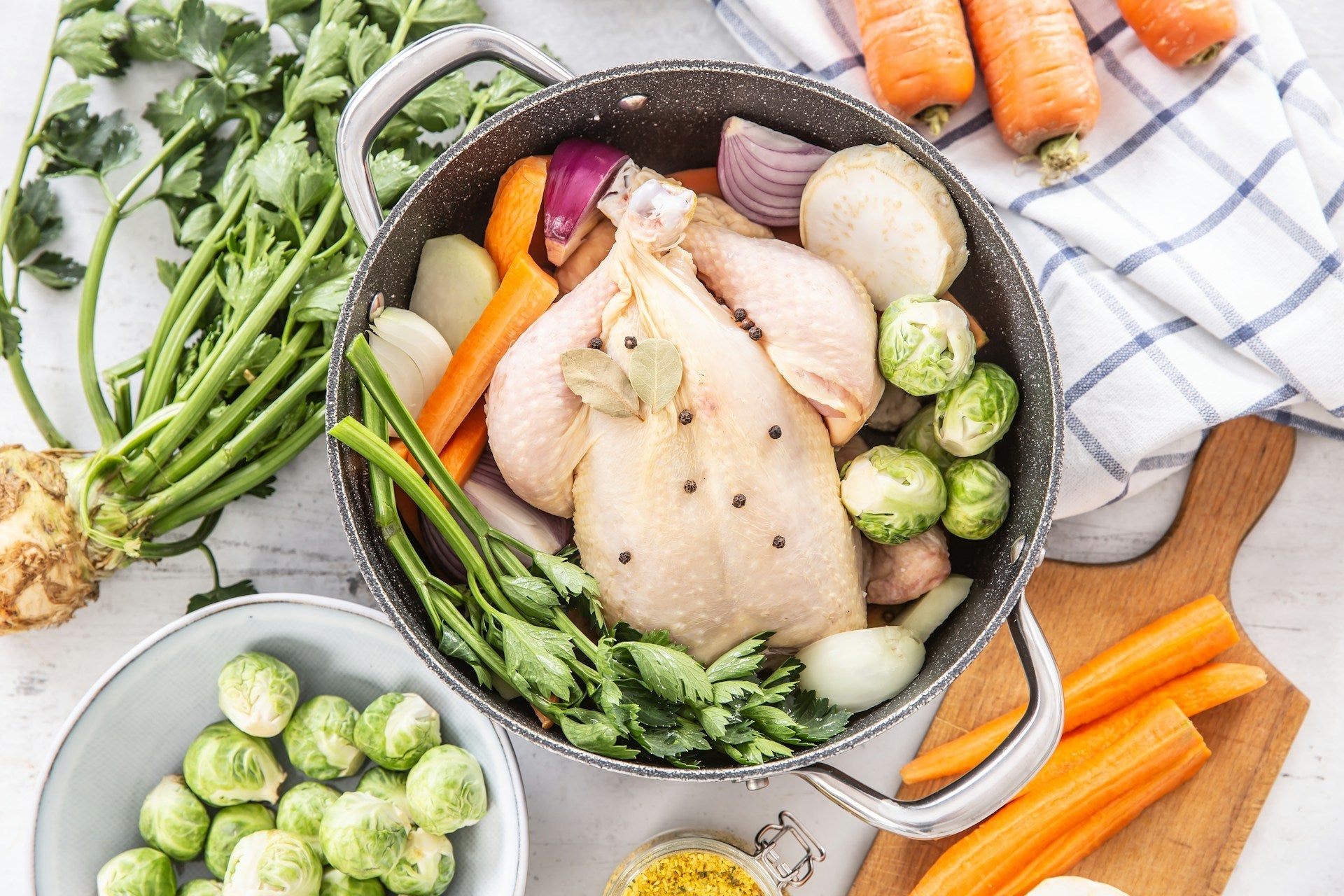
Storing Chicken in the Fridge
Ensuring that your chicken remains fresh while stored in the refrigerator is crucial for both taste and health reasons. Here's how you can preserve the quality of your poultry before it's ready to be cooked.
Proper Storage Guidelines
When storing chicken in the refrigerator, you should always:
- Keep it in its original packaging or place it in an airtight container to prevent air exposure.
- Position the chicken on the lowest shelf to avoid raw juices from contaminating other foods.
- Use it within 1-2 days of purchase for optimal freshness.
- For longer storage, consider alternative methods such as freezing.
By following these guidelines, you're taking a vital step in maintaining the freshness of your chicken and preventing any potential foodborne illnesses.
Temperature Considerations
The temperature inside your refrigerator plays a pivotal role in preserving the freshness of chicken. The ideal refrigeration temperature to prevent bacterial growth is at or below 40°F (4°C). Here's a quick reference table for the recommended temperatures:
| Storage Location | Ideal Temperature |
|---|---|
| Refrigerator | ≤ 40°F (4°C) |
| Freezer | 0°F (-18°C) or below |
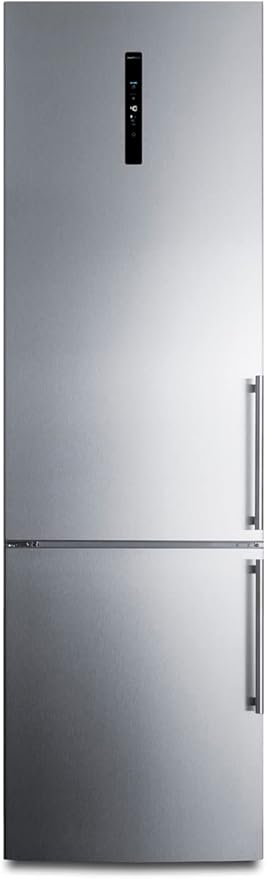
To monitor and maintain the correct temperature, consider using a fridge thermometer. This ensures that your chicken is stored in a safe environment, thus extending its shelf life. If you're looking to upgrade your refrigeration unit to better fit your needs, explore options such as a refrigerator with a bottom freezer or the best side by side refrigerator that offer efficient cooling systems and ample storage options.
For additional information on storing other types of meat and the importance of temperature control, you might find our article on how long can your ham chill in the fridge useful. And for general best practices in food preservation, don't miss our guide on mastering the art of food preservation ideal temperature for your fridge.
Freshness of Chicken
Understanding the shelf life of chicken in your refrigerator is essential for ensuring the safety and quality of your meals. Here's how you can keep track of your chicken's freshness and recognize when it's time to discard it.
How Long Does Chicken Last in the Fridge?
The duration that chicken remains fresh in the fridge depends on several factors, including the temperature of your refrigerator and whether the chicken is raw or cooked. As a general guideline, you can refer to the following table:
| Chicken Type | Shelf Life in the Fridge |
|---|---|
| Raw whole chicken | 1-2 days |
| Raw chicken parts (breasts, thighs, wings) | 2-3 days |
| Cooked chicken | 3-4 days |
To ensure optimal freshness, you should store chicken at a temperature below 40°F (4°C), which is the standard setting for most refrigerators. If you're considering upgrading your appliance to maintain a more precise temperature, explore the benefits of a refrigerator bottom freezer.
Signs of Spoiled Chicken
Recognizing the signs of spoiled chicken is crucial for preventing foodborne illnesses. Be vigilant for the following indicators:
- Odor: Fresh chicken has a mild smell, while spoiled chicken emits a potent, sour odor.
- Texture: If the chicken feels slimy or tacky to the touch, it's a sign that it's no longer fresh.
- Color: Look out for any grayish hues or fading in color, which can indicate spoilage.
- Expiration Date: Always check the sell-by or use-by date on the packaging as an initial reference point.
If you suspect that your chicken may be spoiled, it's best to err on the side of caution and discard it. For more insights on food preservation, you might be interested in learning the ideal temperature for your fridge or discovering how long cooked chicken can be safely stored in the refrigerator. Remember, keeping your chicken fresh not only ensures delicious meals but also protects your health and that of your loved ones.
Safe Handling Practices
When it comes to poultry, safe handling is paramount to reduce the risk of foodborne illnesses. Here, we focus on the two key aspects: thawing chicken safely and avoiding cross-contamination.
Thawing Chicken Safely
Thawing chicken properly is critical to ensure that it's safe to eat. The safest method to thaw chicken is in the refrigerator. This method keeps the chicken out of the temperature danger zone (40°F to 140°F), where bacteria can multiply rapidly.
| Thawing Method | Time Required |
|---|---|
| Refrigerator | 24 hours per 5 pounds |
| Cold Water | 2-3 hours per pound |
| Microwave | Varies by model |
When using the refrigerator method, plan ahead as a whole chicken or large amounts of chicken may take up to two days to thaw completely. For quicker thawing, you can submerge the chicken in cold water in a leak-proof package, changing the water every 30 minutes. If you're in a rush, the microwave is the fastest option, but make sure to cook the chicken immediately after thawing, as some areas may begin to cook during the process.
For more details on thawing methods and times, check out our guide on how long is chicken good in the fridge or freezer?
Avoiding Cross-Contamination
Cross-contamination can occur when bacteria from raw chicken transfer to other foods, surfaces, or utensils. To avoid this:
- Use separate cutting boards: one for raw chicken and another for fresh produce or ready-to-eat foods.
- Clean and disinfect all surfaces, utensils, and hands after handling raw chicken.
- Never rinse raw chicken, as this can spread bacteria through the kitchen.
| Prevention Method | Description |
|---|---|
| Separate Equipment | Keep dedicated cutting boards and knives for raw chicken. |
| Cleaning | Use hot, soapy water to wash hands, surfaces, and utensils. |
| Disinfecting | Use a kitchen sanitizer or a bleach solution to disinfect areas. |
By following these safety practices, you can help ensure that your chicken remains fresh and safe to consume. It's also beneficial to familiarize yourself with the mastering the art of food preservation ideal temperature for your fridge to maintain optimal freshness for all your refrigerated foods.
Extending Chicken Shelf Life
Proper storage methods can greatly extend the shelf life of chicken, ensuring that you enjoy it at its freshest and most flavorful. Let's explore two effective ways to preserve your chicken for longer periods: freezing and the use of vacuum-sealed bags.
Freezing Chicken
Freezing is a reliable method for preserving chicken, effectively halting bacterial growth and maintaining quality over time. To freeze chicken, first ensure it's wrapped tightly to prevent freezer burn, which can affect taste and texture. You can use heavy-duty freezer bags or double-wrap in aluminum foil and plastic wrap.
For the best quality, it's recommended to consume frozen chicken within the following timeframes:
| Chicken Type | Recommended Storage Time (Months) |
|---|---|
| Whole Chicken | 12 |
| Chicken Pieces | 9 |
| Ground Chicken | 3-4 |
Remember to label and date the packaging before placing it in the freezer. When you're ready to cook, thaw the chicken safely—either in the refrigerator, in cold water, or using a microwave. For more information on thawing techniques, see our article on how long is chicken good in the fridge or freezer?
Utilizing Vacuum-Sealed Bags
Vacuum-sealing is another excellent way to extend the shelf life of chicken by removing air from the packaging, which slows down the oxidation process and inhibits bacterial growth. Vacuum-sealed chicken can last in the refrigerator for 1-2 weeks and even longer in the freezer—up to 2-3 years.
However, it is crucial to maintain the right refrigerator temperature to ensure the chicken's freshness. The ideal temperature range is 34°F to 40°F. To learn about setting your refrigerator to the right temperature, visit mastering the art of food preservation: ideal temperature for your fridge.
Vacuum-sealed chicken can be thawed in the refrigerator or submerged in cold water. Avoid thawing at room temperature as it can encourage bacterial growth. For best practices on handling and cooking vacuum-sealed chicken, consider reading our guide on avoiding food waste: the ideal duration for cooked chicken in the refrigerator.
By implementing these storage techniques, you can effectively extend the freshness of your chicken, reduce food waste, and enjoy delicious meals whenever you desire.
Cooking Chicken Safely
Ensuring chicken is cooked safely is paramount to prevent foodborne illnesses. The following sections will guide you through the correct cooking temperatures for chicken and offer tips for safe chicken preparation.
Cooking Temperatures for Chicken
Cooking chicken to the right temperature is crucial for destroying any harmful bacteria. The safe minimum internal temperature for cooking chicken is 165°F (74°C). Use a meat thermometer to check the temperature at the thickest part of the chicken without touching the bone.
| Chicken Part | Temperature |
|---|---|
| Whole Chicken | 165°F (74°C) |
| Chicken Breasts | 165°F (74°C) |
| Ground Chicken | 165°F (74°C) |
| Chicken Thighs/Legs | 165°F (74°C) |
Remember to let the chicken rest for a few minutes after cooking to allow the juices to redistribute and ensure thorough cooking. For information on safely storing cooked chicken, refer to our article on keeping it safe the shelf life of cooked chicken in the fridge.
Tips for Safe Chicken Preparation
- Wash Hands: Always wash your hands with soap and water before and after handling raw chicken.
- Separate Utensils: Use separate cutting boards, utensils, and plates for raw chicken to avoid cross-contamination.
- Marinate Safely: If you marinate chicken, do so in the refrigerator, not on the counter. Do not reuse marinade that has been in contact with raw chicken unless it is boiled first.
- No Rinsing: Contrary to popular belief, do not rinse raw chicken. Rinsing can spread bacteria around your kitchen.
- Thorough Cleaning: Clean all surfaces and utensils that have been in contact with raw chicken with hot, soapy water.
- Cook Immediately: Once chicken is thawed, cook it immediately.
- Leftovers: Store leftover chicken in the refrigerator within two hours of cooking, and consume it within 3-4 days.
By following these tips and ensuring you cook chicken to the proper internal temperature, you can enjoy your meals knowing they're safe to eat. For those interested in further optimizing their kitchen appliances, explore the benefits of upgrading to a refrigerator bottom freezer today by visiting experience the difference upgrade to a refrigerator bottom freezer today.
Creative Chicken Recipes
Incorporating chicken into your meals can be both a delicious and versatile experience. With proper storage, chicken can last in the fridge for a certain period, ensuring that you have fresh ingredients for a variety of recipes. Here are some creative ways you can enjoy chicken, followed by meal prep ideas to make your weekly food planning easier.
Delicious Ways to Enjoy Chicken
Chicken can be the star of many delectable dishes. Here are some creative recipes to elevate your chicken game:
- Stuffed Chicken Breast: Fill your chicken breast with a mixture of cheese, spinach, and sun-dried tomatoes for a meal that is as tasty as it is elegant.
- Asian-Inspired Chicken Lettuce Wraps: Saute ground chicken with garlic, onions, and your favorite Asian sauces, and serve in crisp lettuce leaves for a light but flavorful dish.
- Mediterranean Chicken Skewers: Marinate chicken pieces in olive oil, lemon juice, and herbs, then grill them to perfection. Serve with a side of tzatziki and warm pita bread.
- Spicy Chicken Tacos: Shred cooked chicken and toss with a homemade or store-bought taco seasoning. Serve with soft tortillas, fresh salsa, and a dollop of sour cream.
- Herb Roasted Chicken Thighs: Coat chicken thighs with a blend of your favorite herbs and roast until the skin is crispy and golden.
For those looking to keep their chicken fresh, understanding how long does chicken last in the fridge can be crucial to planning these meals.
Meal Prep Ideas with Chicken
Meal prepping with chicken can save you time throughout the week and ensure you always have a nutritious meal on hand. Here are some ideas:
- Chicken Salad Jars: Layer chopped chicken with salad greens, a variety of veggies, nuts, and a vinaigrette dressing in mason jars for a quick grab-and-go lunch.
- Bulk Chicken Breast: Cook a large batch of chicken breast to use in different meals during the week, from sandwiches to salads and stir-fries.
- Curry Chicken Bowls: Prepare a flavorful chicken curry and portion it out with rice and vegetables for a satisfying meal ready to be reheated.
- Chicken Pasta Bake: Combine cooked pasta, chicken, your choice of sauce, and cheese, then bake until bubbly. Divide into containers for a hearty dinner option.
- BBQ Chicken Wraps: Use slow-cooked BBQ chicken and roll it up with coleslaw in whole grain wraps. These are perfect for a quick dinner or lunch.
Remember that keeping your chicken fresh is key to delicious meal prep. Find more information on keeping your chicken fresh and how long does chicken last in the fridge to ensure the best quality for your meals.
Utilizing Leftover Chicken
Effectively managing leftover chicken can help you avoid food waste while enjoying delicious meals safely. By adhering to proper storage and reheating practices, you can extend the enjoyment of your chicken dishes.
Storing Leftover Chicken
Once you've finished your meal, it's important to store any leftover chicken promptly to maintain its freshness. Leftover chicken should be stored in the refrigerator within two hours of cooking to prevent the growth of harmful bacteria.
Here are some tips for storing leftover chicken in the fridge:
- Place the leftovers in an airtight container or wrap them tightly with aluminum foil or plastic wrap to preserve moisture and prevent contamination.
- Label the container with the date to keep track of how long the chicken has been stored.
- Store the chicken in the coldest part of the refrigerator to ensure it remains at a safe temperature.
| Storage Method | Recommended Temperature | Shelf Life |
|---|---|---|
| Refrigerator | Below 40°F (4°C) | 3-4 days |
Refrigerators with a bottom freezer, such as those found in refrigerator bottom freezer models, can provide efficient space for storing leftovers while maintaining consistent cooling.
Reheating Leftover Chicken
Reheating your chicken properly not only ensures that it is delicious but also safe to eat. Here's how to reheat your leftover chicken:
- Remove the chicken from the refrigerator and let it sit at room temperature for about 10 minutes before reheating. This can help promote more even heating.
- Use an oven, microwave, or stovetop to reheat the chicken until it reaches an internal temperature of 165°F (74°C). You can use a food thermometer to check the temperature.
When reheating chicken, aim to only reheat what you will consume. Repeated reheating of the same chicken can degrade its quality and increase the risk of foodborne illness.
For more information on safe food handling and maximizing the shelf life of your food items, explore internal links such as preserving perfection the shelf life of cooked rice in the fridge and avoiding food waste the ideal duration for cooked chicken in the refrigerator.
By following these guidelines for storing and reheating leftover chicken, you can enjoy your meals with the confidence that you're keeping your chicken fresh and safe to eat.
Get Your Upgrade or New Addition at Fridge.com
Whether you're searching for your perfect fridge, freezer, wine fridge, beer fridge, ice maker, or kegerator, we have what you need.
Shop the world's best brands at Fridge.com.
We also have tons of awesome articles about kitchen stuff and home news. Enhance your home, garage, backyard, patio, and office with the coolest essentials. With every necessary type of residential refrigerator or freezer in our collection, we've got you covered.
Elevate your game and shop now at Fridge.com!