Introduction to Freezer Organization
Importance of Organizing Your Freezer
Getting your freezer in order is like finding the remote before the movie starts—it's a game-changer. When your freezer's a mess, you're stuck digging through frosty chaos, wasting time and maybe even food. For busy families, roommates, or anyone who loves cooking, a tidy freezer is a lifesaver. Knowing where everything is means you can whip up meals faster and keep food from going bad.
Benefits of a Well-Organized Freezer
A freezer that's neat and tidy is like having a superpower in the kitchen. Check out these perks:
| Benefit | Description |
|---|---|
| Saves Time | Find what you need in a flash, speeding up meal prep. |
| Reduces Waste | Keep track of what’s about to expire and use it before it’s too late. |
| Maximizes Space | Use every nook and cranny, so you can stash more goodies. |
| Enhances Meal Planning | Makes planning meals a breeze when you know what’s in stock. |
| Improves Food Quality | Keeps your food tasting fresh and delicious for longer. |
Taking a little time to sort out your freezer can make cooking more fun and less of a hassle. Want more tips on keeping your freezer in tip-top shape? Check out our guide on how to store saltine crackers in the freezer safely.
Assessing Your Freezer Space
Getting your freezer in tip-top shape starts with figuring out what you're working with. By getting to know your freezer's layout and setting up zones for different food types, you can whip up a system that suits you and your family just right.
Understanding Your Freezer Layout
Take a sec to check out your freezer's setup. Most freezers come with shelves, drawers, and compartments that can be used for all sorts of food. Here's a quick rundown of the usual freezer layouts:
| Layout Type | Description |
|---|---|
| Top Freezer | Classic style with the fridge on top and the freezer below. |
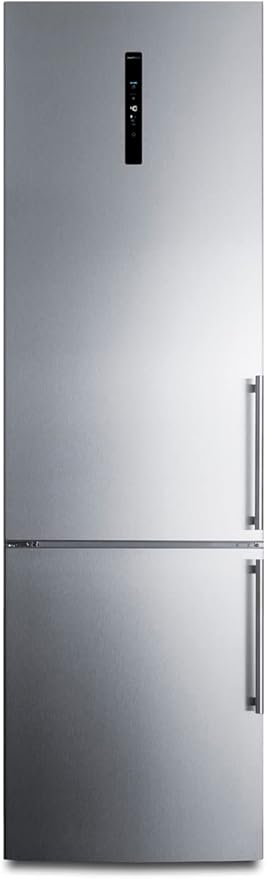
| Bottom Freezer | Freezer's at the bottom, making it a breeze to grab frequently used stuff. |
| Side-by-Side | Freezer and fridge are side by side, so you can easily reach both. |
| Chest Freezer | Big open space for bulk items, but it might need more organizing. |
| Upright Freezer | Like a fridge, with shelves and compartments for easy access. |
Knowing your layout helps you figure out how to make the most of your space.
Identifying Zones for Different Food Categories
Once you've got the layout down, it's time to set up zones for different food categories. This makes it a cinch to find what you need and keeps your freezer tidy. Here are some zone ideas:
| Zone | Suggested Items |
|---|---|
| Raw Meats | Chicken, beef, pork, and seafood. Keep 'em in airtight containers or freezer bags. |
| Vegetables | Frozen veggies, whether store-bought or blanched and frozen at home. Check out should I store bell peppers in the fridge? for veggie storage tips. |
| Fruits | Frozen fruits for smoothies or baking. |
| Ready-to-Eat Meals | Leftovers, prepped meals, and snacks. Consider using top kids freezer meals for snacks for ideas. |
| Ice Cream and Treats | Desserts and frozen goodies for easy access. |
By setting up specific zones, you can streamline your freezer organization and make meal prep a breeze. Don't forget to label each zone if needed, so everyone in the house knows where to find stuff. This method not only saves time but also helps cut down on food waste.
Tips for Efficient Freezer Organization
Getting your freezer in order can make whipping up meals and storing food a breeze. Here are some friendly tips to help you get the most out of your freezer space.
Using Storage Containers and Bins
Storage containers and bins are your best pals for keeping things tidy in the freezer. Clear ones let you see what's inside without playing hide and seek. Mix up the sizes to fit all kinds of goodies.
| Container Type | Ideal Use |
|---|---|
| Small Bins | Snacks, sauces, or tiny treats |
| Medium Containers | Veggies, fruits, or leftovers |
| Large Bins | Bulk buys or meal prep portions |
Pick containers that can handle the cold without cracking. No one wants a freezer full of broken plastic!
Labeling and Dating Frozen Items
Slap a label and date on your frozen stuff to keep track of what's what and when it went in. This way, you won't end up with mystery meals or wasted food.
Use freezer-friendly labels or just some masking tape and a marker. Write down the item and the date it was frozen. Here's a quick example:
| Item | Date Frozen |
|---|---|
| Chicken Breast | 01/15/2023 |
| Broccoli | 01/10/2023 |
| Chili | 12/20/2022 |
For more tips on storing specific items, check out our article on how to store saltine crackers in the freezer safely.
Making the Most of Vertical Space with Shelves and Racks
If your freezer's got the room, adding shelves or racks can help you stack stuff neatly and grab it easily.
Consider these options:
| Option | Benefits |
|---|---|
| Adjustable Shelves | Change the height for different items |
| Stackable Bins | Save space and keep similar items together |
| Wire Racks | Allow airflow and make items easy to see |
By using these organizing tricks, you can turn your freezer into a more efficient and user-friendly space. For more ideas on organizing your fridge-freezer, check out our article on how to organize your freezer for maximum efficiency.
Strategic Placement of Items
Getting your freezer in order can be a game-changer, saving you time and cutting down on food waste. By putting things in the right spots, you can grab what you need without a hassle and keep everything fresh. Here's how to stash raw meats and seafood, line up frozen fruits and veggies, and sort out ready-to-eat meals and leftovers.
Properly Storing Raw Meats and Seafood
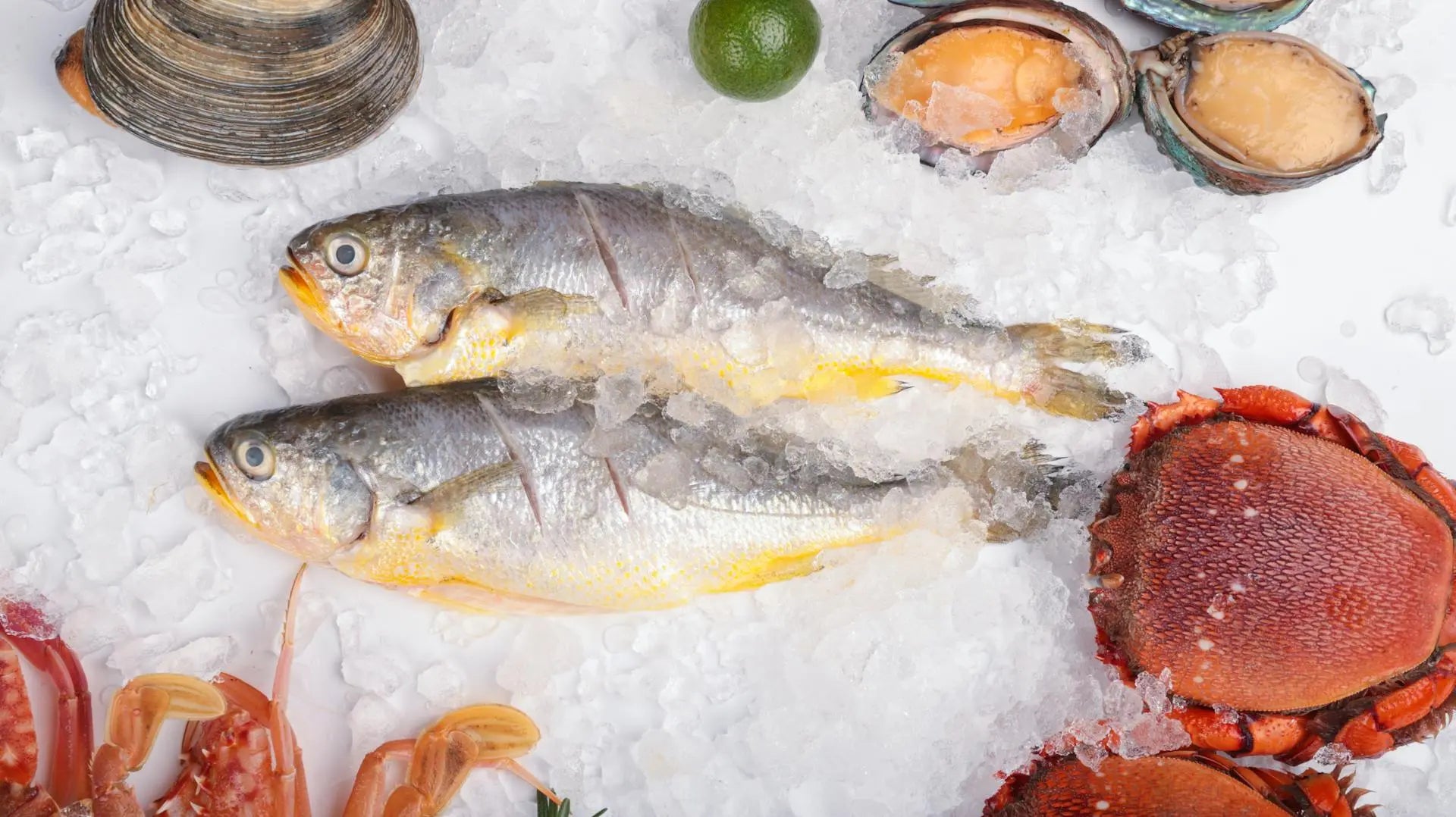
When it comes to raw meats and seafood, keeping them away from other foods is a must to dodge any nasty cross-contamination. Use airtight containers or those tough freezer bags to keep things fresh and avoid that dreaded freezer burn. Don't forget to slap a label on each package with what it is and when you froze it.
| Type of Meat/Seafood | Recommended Storage Time |
|---|---|
| Chicken | 9 months |
| Beef | 4 - 12 months |
| Pork | 4 - 6 months |
| Fish | 3 - 6 months |
Stick raw meats and seafood on the bottom shelf of your freezer. This way, if any juices decide to escape, they won't mess up other foods. A dedicated bin can make grabbing what you need a breeze.
Arranging Frozen Fruits and Vegetables
Frozen fruits and veggies are your go-to for quick meals and snacks. Keep them tidy by grouping similar items. Clear containers or bags are your friends here, and make sure to label them with what's inside and when you froze them.
| Type of Fruit/Vegetable | Recommended Storage Time |
|---|---|
| Berries | 6 - 12 months |
| Broccoli | 10 - 12 months |
| Peas | 8 - 12 months |
| Bell Peppers | 6 - 12 months |
For more on storing specific veggies, check out our article on should I store bell peppers in the fridge?. Keep these goodies in a special spot in your freezer, preferably near the top for easy grabbing.
Organizing Ready-to-Eat Meals and Leftovers
Ready-to-eat meals and leftovers are lifesavers when you're in a rush. Store them in labeled containers with what's inside and the date. This way, you know what to eat first.
| Meal Type | Recommended Storage Time |
|---|---|
| Cooked Pasta | 1 - 2 months |
| Soups and Stews | 2 - 3 months |
| Casseroles | 2 - 3 months |
| Cooked Rice | 1 - 2 months |
Stack these meals in their own section of your freezer, ideally in a stackable bin for easy access. This way, you can grab a meal without tearing apart the whole freezer.
By following these tips, you can make your freezer work for you and make meal prep a breeze. For more ideas on organizing your freezer, check out our article on how to organize your freezer for maximum efficiency.
Keeping Your Freezer in Check
Keeping your freezer tidy isn't a one-time gig; it's a regular chore that pays off with easy access to your frozen goodies and a more efficient appliance.
Tossing Out the Old and Shuffling the New
Make it a routine to clear out your freezer. Check for stuff that's expired or has been chilling for too long. A handy trick is to shuffle items around: put the new stuff at the back and the old stuff up front. This way, you use up the older items first and cut down on waste.
| Item Type | How Long It Lasts |
|---|---|
| Raw Meat | 6-12 months |
| Cooked Meals | 2-3 months |
| Vegetables | 8-12 months |
| Fruits | 6-12 months |
When to Defrost Your Freezer
If you spot a mini iceberg forming inside, it's time to defrost. Too much ice can mess with your freezer's mojo and hog space. Depending on your model, you might need to do this manually. Unplug it, let the ice melt, and toss some towels on the floor to soak up the water. Once it's all melted, give it a good clean before plugging it back in.
Keeping an Eye on Temperature and Airflow
The right temperature is key for keeping your food safe and tasty. Aim for 0°F (-18°C) or lower. A thermometer can help you keep tabs on this. Also, make sure there's enough airflow around the freezer. Don't cram it full, as this can block vents and mess with the cooling.
For more handy tips on organizing your freezer, check out our article on how to store saltine crackers in the freezer safely. A well-organized freezer not only saves you time but also helps you get the most out of your food stash.
Quick Freezer Organization Hacks
Getting your freezer in order can totally change the way you handle meal prep and food storage. Here are some nifty tricks to help you make the most of your space and keep things tidy.
Using Freezer Inventory Lists
Keeping a list of what's in your freezer is a no-brainer for staying on top of your food stash. This list helps you dodge buying stuff you already have and makes sure you use things before they turn into science experiments. You can jot it down on your phone or slap a paper version on the fridge.
| Item | Quantity | Date Frozen |
|---|---|---|
| Chicken Breasts | 4 | 01/15/2023 |
| Frozen Spinach | 2 bags | 01/10/2023 |
| Homemade Soup | 3 containers | 12/20/2022 |
Make it a habit to update your list whenever you toss something in or take something out. It'll keep you organized and make planning meals a whole lot easier.
Freezing Foods in Portion Sizes
Freezing food in portions is a smart move to save time and cut down on waste. Instead of freezing a giant pot of soup or chili, split it into single servings before you freeze. This way, you can grab just what you need without defrosting the whole shebang.
| Food Item | Portion Size | Container Type |
|---|---|---|
| Chili | 1 cup | Freezer-safe bags |
| Rice | 1 cup | Plastic containers |
| Smoothie Packs | 1 serving | Ziplock bags |
Slap a label on each container with what's inside and when it was frozen to keep things fresh. This trick is a lifesaver for families or roommates with different tastes.
Grouping Similar Items Together
Putting similar items together makes finding what you need a snap. Set up zones in your freezer for different food types like meats, veggies, and ready-to-eat meals. This setup lets you quickly grab what you need and keeps everything neat.
| Zone | Items |
|---|---|
| Meats | Chicken, Beef, Fish |
| Vegetables | Broccoli, Peas, Carrots |
| Ready-to-Eat Meals | Lasagna, Stir-fry, Soups |
Using bins or baskets can help keep these categories separate. This way, you can easily pull out a bin to see what you have without rummaging through the entire freezer.
By using these quick freezer organization hacks, you can simplify your food storage and make meal prep a breeze. For more tips on how to organize your freezer for maximum efficiency, check out our other articles on freezer management.