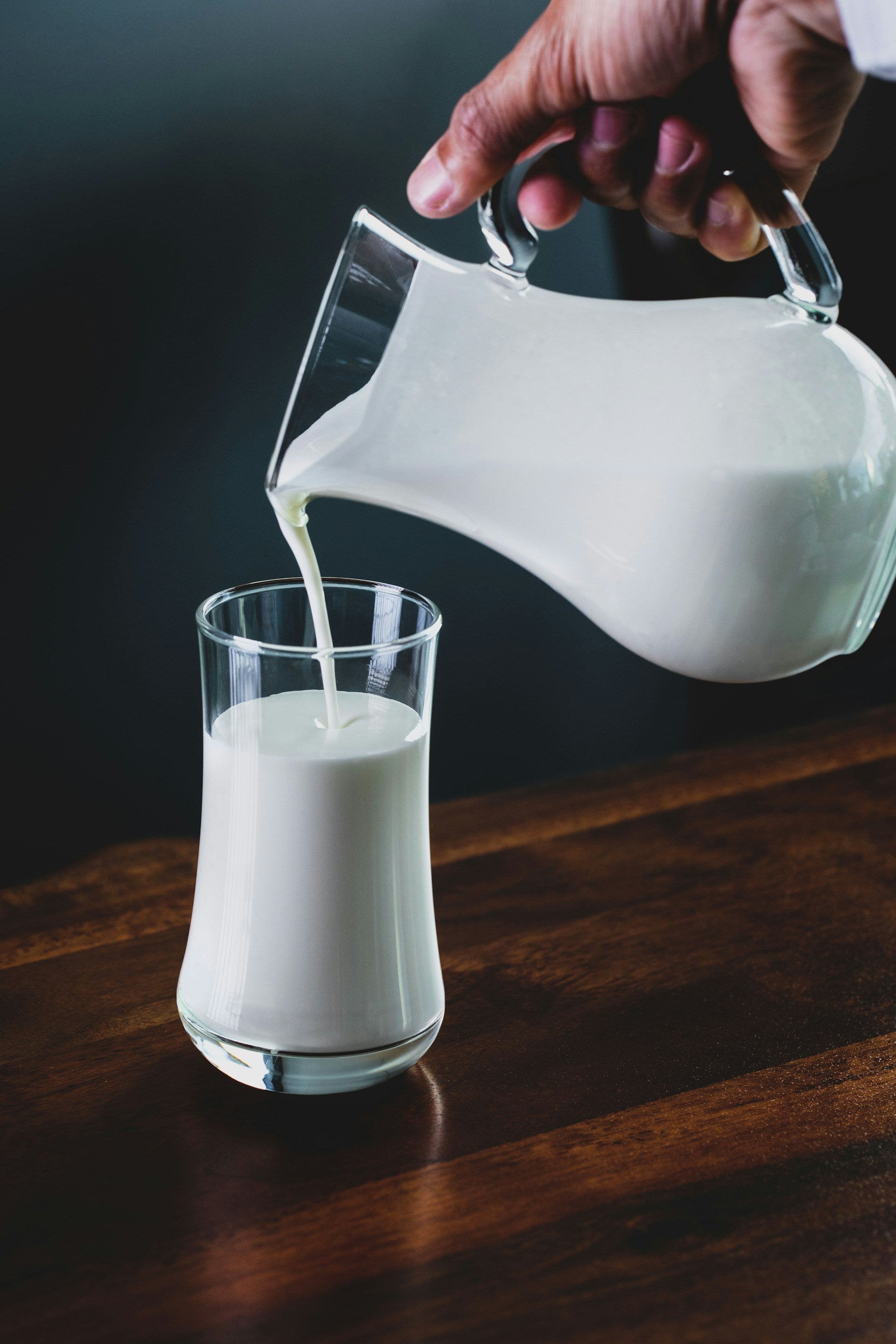
Understanding Milk Storage
Importance of Proper Milk Storage
Proper milk storage is crucial for maintaining its freshness and nutritional quality while preventing bacterial growth that could lead to spoilage or foodborne illness. By storing milk correctly, you extend its shelf life, ensuring you can enjoy it safely up until its expiration date — and sometimes even beyond. Moreover, effective storage practices reduce food waste and can save you money in the long run.
Factors Affecting Milk Shelf Life
Milk shelf life can be influenced by several factors before and after it reaches your fridge:
- Initial Quality: The starting quality of the milk when it is processed and packaged can affect how long it will last once you bring it home.
- Temperature Fluctuations: Consistent refrigeration is key. Milk should be stored at 38-40°F (3-4°C) to slow bacterial growth. Frequent temperature changes can reduce milk's shelf life.
- Light Exposure: Exposure to light can lead to a decrease in certain vitamins like riboflavin and can also affect the taste.
- Packaging: Different packaging can protect milk from light and air, with some types being more effective than others in extending shelf life.
- Handling: Every time milk is opened, it's exposed to air and potential contaminants, which can accelerate spoilage.
By managing these factors effectively, you can help ensure that your milk remains fresh for as long as possible. For more information on how to keep other foods fresh, explore our articles on how long do tamales last in the fridge? or how long does chinese food last in the fridge?.
How Long Does Milk Last in the Fridge?
When you store milk in the fridge, its longevity can be influenced by several factors, including the type of milk, the temperature at which it is stored, and whether the milk has been opened or not. Understanding the shelf life of milk can help you enjoy it at its best quality and avoid waste.
Unopened Milk
Unopened milk typically lasts longer than opened milk due to the seal that prevents exposure to air and bacteria. The expected shelf life of unopened milk in the fridge varies depending on the type of milk and the temperature of your refrigerator.
| Type of Milk | Expected Shelf Life in the Fridge |
|---|---|
| Pasteurized Whole Milk | 5-7 days past the printed date |
| Skim Milk | 7 days past the printed date |
| Ultra-Pasteurized Milk (UHT) | 2-4 weeks past the printed date |
It's important to store your unopened milk at or below 40°F (4°C) to ensure maximum freshness. If you're curious about how other foods fare in the fridge, explore articles such as how long does cassava last in the fridge? and how long do tamales last in the fridge?.
Opened Milk
Once you open a bottle or carton of milk, the countdown to spoilage accelerates. Opened milk is exposed to air and potential contaminants, which can lead to a quicker decline in quality.
| Type of Milk | Expected Shelf Life After Opening |
|---|---|
| Pasteurized Whole Milk | 5-7 days |
| Skim Milk | 5-7 days |
| Ultra-Pasteurized Milk (UHT) | 7-10 days |
Even when stored properly in the fridge, opened milk should be consumed within a week of opening to ensure safety and quality. Remember, these time frames are general guidelines, and the actual shelf life may vary based on individual fridge conditions and milk handling.
To learn more about storing various foods and beverages in the fridge, you might find our articles on topics like how long do pinto beans last in the fridge? and how long can fresh juice last in the fridge? helpful. Always trust your senses to determine if your milk is still fresh, and when in doubt, throw it out.
Signs of Spoiled Milk
Detecting milk that has gone bad is crucial to avoid the unpleasant experience of consuming spoiled dairy. You can identify milk that's no longer suitable for consumption through visual cues and a smell test.
Visual Clues
When milk begins to spoil, several visual indicators can alert you. These signs include:
- Clumping: Milk should be smooth and fluid. If you notice lumps or curdled milk, it's a sign that the milk has started to spoil.
- Texture Changes: Spoiled milk may appear thicker or have a slimy texture, which is not present in fresh milk.
- Discoloration: Any change in color is a warning sign. Milk should have a pure, creamy color. Yellowing or developing a blueish hue indicates spoilage.
Remember that these signs may not always be immediately obvious, especially in small quantities or when the milk is in a colored container. Always pour the milk into a transparent container to get a better look if you're unsure.
Smell Test
The smell test is often the most definitive method to confirm that milk has spoiled:
- Sour Scent: Fresh milk has a mild, sweet scent. If your milk emits a sour or foul odor, it's time to discard it.
- Yeasty or Moldy Smell: Spoiled milk might also have a yeasty or moldy smell, indicating bacterial growth.
If you encounter any of these signs, it's best to err on the side of caution and throw out the milk. For more information on how to manage your dairy products and other food items, explore our articles on how long does cassava last in the fridge? and how long does lasagna last in the fridge?. These guides will help you keep track of your perishables and ensure you're enjoying your food at its best quality.
Extending Milk Shelf Life
Proper storage methods can significantly prolong the quality and freshness of milk. Here are some guidelines for proper refrigeration and freezing techniques to help extend the shelf life of milk in your home.
Proper Refrigeration
To maximize the lifespan of milk in the fridge, you should:
- Store milk at a constant temperature, ideally at or below 40°F (4°C), which is the recommended temperature for refrigeration.
- Keep the milk in the back of the fridge on a shelf, where temperatures are coldest and most stable, rather than in the door where temperatures fluctuate with frequent opening.
- Ensure your refrigerator is functioning correctly and maintaining a consistent temperature to prevent spoilage.
- Return the milk to the fridge promptly after use to minimize the time it spends at room temperature.
Following these steps will help to slow down the growth of bacteria and maintain the safety and flavor of your milk.
Freezing Milk
Freezing milk can extend its usability well beyond the expiration date. However, it's important to consider the following when freezing milk:
- Leave some space in the container before freezing, as milk expands when frozen.
- Thaw frozen milk in the refrigerator, not at room temperature, to ensure safety.
- Shake well after thawing, as the freezing process can cause separation of fat and liquid.
- Use thawed milk within 3-5 days for optimal quality.
| Storage Method | Shelf Life Extension |
|---|---|
| Refrigeration (unopened) | 5-7 days past 'sell by' date |
| Refrigeration (opened) | 5-7 days |
| Freezing | 1-3 months |
For further information on extending the shelf life of other foods, check out articles such as how long do tamales last in the fridge? and how long does chinese food last in the fridge?.
By applying these storage techniques, you can help ensure that your milk remains fresh and enjoyable for as long as possible, reducing waste and saving money.
Milk Alternatives
For those exploring dairy-free options, plant-based milks are a popular alternative. Understanding the shelf life and storage tips for non-dairy milk can help you maintain their freshness and nutritional value.
Shelf Life of Plant-Based Milks
Plant-based milks, such as almond, soy, coconut, and oat milk, differ in shelf life compared to traditional cow's milk. Typically, unopened plant-based milks have a longer shelf life due to their different processing methods and packaging. Once opened, however, they should be consumed within a similar time frame as dairy milk.
Here's a table indicating the approximate shelf life of various unopened and opened plant-based milks when stored in the refrigerator:
| Milk Type | Unopened Shelf Life | Opened Shelf Life |
|---|---|---|
| Almond Milk | 2-4 weeks past the printed date | 7-10 days |
| Soy Milk | 1 month past the printed date | 7-10 days |
| Coconut Milk | 1 month past the printed date | 7-10 days |
| Oat Milk | 1 month past the printed date | 7-10 days |
It's important to note that these timelines can vary based on brand and storage conditions. Always check the expiry date and follow the storage instructions provided on the packaging.
Tips for Storing Non-Dairy Milk
To ensure the longevity of your plant-based milks, consider these storage tips:
- Refrigeration: Always store your non-dairy milk in the fridge, ideally at or below 40°F (4°C). Avoid placing it in the door where the temperature fluctuates.
- Containers: Once opened, keep the milk in its original container if it's resealable. If not, transfer it to an airtight container to prevent contamination and odor absorption.
- Positioning: Store the milk in the back of the fridge where it's coldest, away from the light and heat, which can accelerate spoilage.
- Freezing: Freezing plant-based milk is an option, but be aware that it may separate or change texture upon thawing. It's best used for cooking or smoothies after freezing.
Remember, these guidelines are general, and it's essential to observe the milk for any signs of spoilage before consuming. If you're interested in the shelf life of other foods in your fridge, explore articles on topics like how long does cassava last in the fridge? or how long do pinto beans last in the fridge?, which provide useful information for a variety of common kitchen ingredients.
Using Expired Milk
While milk is a perishable product that can spoil, it's important to understand that "expired" milk might not always mean it's unsafe. In certain scenarios, milk that's past its labeled expiration date can still be utilized, provided it hasn't gone sour or developed signs of spoilage. Here is what you should know about using milk that's nearing or just past its expiration date and how to properly dispose of it if it's no longer good for consumption.
Cooking with Expired Milk
Slightly expired milk that has been properly stored in the fridge and hasn't developed any signs of spoilage may still be used for cooking. It can be incorporated into baked goods like cakes, muffins, pancakes, or bread, where the baking process eliminates any potential bacteria. Fermented foods such as yogurt, kefir, and cheese can also be made from milk that's just past its prime. However, always perform a smell and visual test before using milk in cooking to ensure it's still safe to use.
Remember, when cooking with milk that's past its expiration date, use it only if it passes the following tests:
- Smell Test: The milk should not have a sour or unpleasant odor.
- Visual Clues: The milk should be free from lumps and not have a yellow color or a slimy texture.
For further information on handling and preparing food safely, including dairy products, you can refer to our article on how long do mandarins last in the fridge?
Disposing of Expired Milk
When milk has undoubtedly soured and is not safe for consumption or use in cooking, proper disposal is key to avoid unpleasant odors or accidental ingestion. Pour the spoiled milk down the sink while running cold water to prevent any potential clogs. Alternatively, if you're conscious about the environmental impact, consider using the spoiled milk as a nourishment for your garden plants or compost, as it can provide beneficial nutrients.
In the event you have a significant quantity of expired milk, take the following steps to dispose of it responsibly:
- Dilute the milk with water to minimize the strong odor as it breaks down.
- If possible, pour it directly into a compost heap to aid in the composting process.
- Ensure that the container is rinsed out before recycling or disposal.
Keep in mind that spoiled milk should never be consumed or used in cooking, as it can lead to foodborne illness. If in doubt, it's always better to err on the side of caution and dispose of the milk safely.
For individuals who are interested in maximizing the use of their groceries and minimizing waste, consider exploring our articles on how long does cassava last in the fridge? or how long does chinese food last in the fridge? for tips and information on the shelf life of various foods.
FAQs About Milk Storage
Can you freeze milk?
Yes, you can freeze milk to extend its shelf life. When frozen, milk can last for up to three to six months. Keep in mind that freezing may cause some changes in the texture and taste due to the separation of fat. It's best to thaw frozen milk in the refrigerator and shake it well before using to redistribute the fat. For more information on the impact of freezing on milk and other food items, explore our articles on how long do tamales last in the fridge? and how long does cassava last in the fridge?.
How to properly store milk in the fridge?
To properly store milk in the refrigerator, follow these guidelines:
- Keep milk containers sealed tightly to prevent the absorption of flavors from other foods.
- Store milk at or below 40°F (4°C) to maintain freshness and slow bacterial growth.
- Place milk on shelves rather than in the door, as temperatures are more stable and colder away from the frequent opening and closing.
- Keep milk away from light, which can degrade nutrients and flavors over time.
For more detailed tips on proper food storage, refer to our articles on how long do pears last in the fridge? and how long can pork stay in the fridge?.
Does the type of milk affect its shelf life?
The type of milk can indeed affect its shelf life. Here's a quick reference table for different types of milk:
| Type of Milk | Shelf Life (Unopened) | Shelf Life (Opened) |
|---|---|---|
| Whole Milk | 5-7 days past 'sell by' date | 5-7 days |
| Skim Milk | 5-7 days past 'sell by' date | 5-7 days |
| Organic/UHT Milk | 2-4 weeks past 'sell by' date | 7-10 days |
| Plant-Based Milk (Almond, Soy, etc.) | Check package date | 7-10 days after opening |
Keep in mind that these time frames can vary depending on the specific product and storage conditions. Always check for signs of spoilage before consumption. You can learn more about the shelf life of different food items by reading our articles on how long does chinese food last in the fridge? and how long does honeydew melon juice last in the fridge?.
Get Your Upgrade or New Addition at Fridge.com
Whether you're searching for your perfect fridge, freezer, wine fridge, beer fridge, ice maker, or kegerator, we have what you need.
Shop the world's best brands at Fridge.com.
We also have tons of awesome articles about kitchen stuff and home news. Enhance your home, garage, backyard, patio, and office with the coolest essentials. With every necessary type of residential refrigerator or freezer in our collection, we've got you covered.
Elevate your game and shop now at Fridge.com!