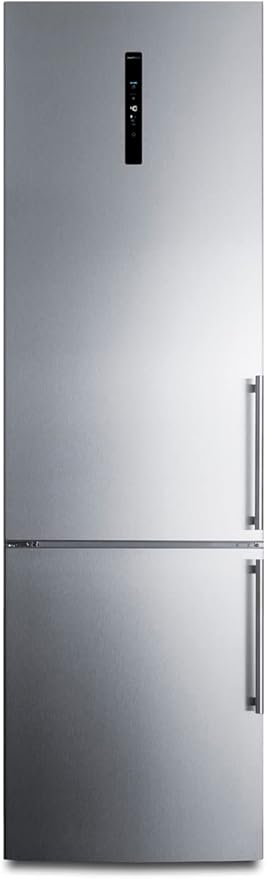
Picking the Perfect Fridge
Choosing the right fridge can make or break your kitchen vibe and your overall happiness. Two popular choices are column fridges and freestanding fridges. Let's break down each type so you can see what fits your needs best.
Column Fridges: The Cool Kids
Column fridges are single, standalone units that either cool or freeze. They’re designed to blend right into your kitchen cabinets, giving you that sleek, magazine-worthy look. Plus, you can mix and match cooling and freezing units to suit your needs.
Why They're Awesome:
- Flexible Setup: Install them solo or side-by-side.
- Seamless Look: Disappears into your kitchen design.
- Size Options: Comes in different widths and heights to fit your space.
- Precise Control: Separate units mean you can set exact temperatures.
Want more on design and setup? Check out our article on counter depth refrigerator Vs. office freezer.
Freestanding Fridges: The All-in-Ones
Freestanding fridges combine cooling and freezing in one unit. They stand alone and don’t need custom installation, making them a versatile and easy choice for many homes.
Why They're Great:
- Easy Setup: No custom cabinets needed.
- Style Variety: Comes in top freezer, bottom freezer, and side-by-side styles.
- Portable: Easy to move if you rearrange or relocate.
- Budget-Friendly: Usually cheaper than custom options.
For a look at different freestanding options, see our article on freestanding wine cooler Vs. office freezer.
| Feature | Column Fridge | Freestanding Fridge |
|---|---|---|
| Installation | Custom, blends with cabinets | Easy, standalone |
| Design | Modern, sleek | Versatile, many styles |
| Flexibility | Mix and match units | One unit |
| Cost | Usually higher | Generally cheaper |
Knowing the differences between column and freestanding fridges can help you pick the right one for your kitchen and lifestyle. For more comparisons, visit our article on counter depth refrigerator Vs. small freezer chest.
Design and Installation
Picking between a column refrigerator and a freestanding refrigerator? Let's break it down so you can make the best choice for your kitchen.
Column Refrigerator Design and Features
Column refrigerators are built right into your kitchen cabinets, giving you that sleek, custom look. They're usually taller and skinnier than your average fridge, making the most of your vertical space. You can even mix and match different units, like pairing a fridge column with a freezer column.
| Features | Description |
|---|---|
| Installation | Built-in, blends with cabinetry |
| Width Options | Various widths (e.g., 18", 24", 30") |
| Height | Tall and narrow |
| Custom Panels | Can match your kitchen decor |
These fridges often come with fancy cooling tech, like dual compressors and precise temperature controls, to keep your food fresh. Plus, they offer flexible storage with adjustable shelves and special drawers for different foods.
Freestanding Refrigerator Design and Features
Freestanding refrigerators are the free spirits of the kitchen world. You can put them wherever you want. They come in all sorts of sizes and styles, like top-freezer, bottom-freezer, side-by-side, and French door models.
| Features | Description |
|---|---|
| Installation | Standalone, place anywhere |
| Size Options | Wide range of sizes and styles |
| Configuration | Top-freezer, bottom-freezer, side-by-side, French door |
| Mobility | Easy to move and reposition |
These fridges usually have more space than column refrigerators, making them great for big families. They're also generally cheaper and easier to find, and you can move them around if you decide to change your kitchen layout.
For more comparisons, check out our articles on counter depth refrigerator Vs. small freezer chest and panel ready refrigerator Vs. top freezer refrigerator.
By understanding the design and installation features of column and freestanding refrigerators, you can make a choice that fits your kitchen and lifestyle perfectly.
Customization and Flexibility
Customization Options for Column Refrigerators
Column refrigerators are like the Swiss Army knives of the kitchen world. They let you tweak and tailor your setup to fit your exact needs. These bad boys are designed to blend right into your cabinetry, giving your kitchen that sleek, seamless look. You can mix and match different columns to create a cooling setup that’s just right for you.
Here’s what you can play around with:
- Modular Design: Mix and match refrigerator, freezer, and wine storage columns to build your dream setup.
- Panel-Ready Options: Many models come with fronts that you can customize to match your cabinets, making everything look like it was meant to be together.
- Adjustable Shelving: Move shelves around to fit whatever you need to store, from tall bottles to wide platters.
- Customizable Lighting: Some models let you tweak the lighting to match your kitchen’s vibe.
Want to dive deeper? Check out our guide on panel ready refrigerator Vs. small refrigerator.
Flexibility Features of Freestanding Refrigerators
Freestanding refrigerators are the free spirits of the fridge world. They don’t need to be built into your cabinetry, so you can plop them down wherever there’s an outlet. Perfect for apartments, garages, or even your office.
Here’s what makes them awesome:
- Ease of Installation: Just plug them in wherever you want. No need for fancy cabinetry work.
- Variety of Sizes: From tiny units perfect for a dorm room to full-sized models that can handle a family’s worth of groceries.
- Movability: Need to rearrange your kitchen or move to a new place? No problem. Just unplug and go.
- Variety of Styles: Whether you like side-by-side, top-freezer, or bottom-freezer models, there’s something for everyone.
Curious about more options? Check out our article on freestanding wine cooler Vs. office freezer.
By getting a handle on the customization of column refrigerators and the flexibility of freestanding ones, you’ll be able to pick the perfect fridge for your lifestyle and kitchen. For more comparisons, take a look at our guide on counter depth refrigerator Vs. small freezer chest.
Space and Capacity
Deciding between a column refrigerator and a freestanding refrigerator? Let's break it down. Each has its perks when it comes to space and storage.
Column Refrigerators: Sleek and Space-Savvy
Column refrigerators fit right into your kitchen cabinets, giving you that smooth, built-in look. They're usually slimmer than freestanding ones, making them perfect for tight spaces. You can even pair them with a matching freezer column for a custom setup.
| Feature | Column Refrigerator |
|---|---|
| Width Range | 18 - 36 inches |
| Depth | Counter-depth |
| Integration | Built-in with cabinetry |
| Ideal Space | Custom kitchens, compact spaces, luxury designs |
Column fridges are great if you want to save space without sacrificing style. Their built-in design keeps things looking neat and modern, which is why they're a hit in high-end kitchens. Curious about compact fridge options? Check out counter depth refrigerator Vs. small freezer chest.
Freestanding Refrigerators: Roomy and Versatile
Freestanding refrigerators are generally bigger, offering more room for your groceries. They come in different styles like top-freezer, bottom-freezer, side-by-side, and French door. This variety lets you pick what suits your storage needs best.
| Feature | Freestanding Refrigerator |
|---|---|
| Width Range | 24 - 36 inches |
| Depth | Standard or counter-depth |
| Capacity | 18 - 30 cubic feet |
| Ideal Space | Larger kitchens, family homes, versatile designs |
Freestanding fridges are perfect for families needing extra storage. They're also easier to install and move around, making them a flexible choice for homes and offices alike. Want more details on freestanding options? Check out freestanding wine cooler Vs. office freezer.
So, which one should you pick? It all boils down to your space and storage needs. For more comparisons, explore bottle refrigerator Vs. freestanding drawer freezer and other related articles.
Energy Efficiency
Choosing between column and freestanding refrigerators? Let's break down how each one uses power and keeps your food cool. This can save you money and help the planet, so it's worth a look.
Column Refrigerators: The Cool Cats
Column refrigerators are like the Swiss Army knives of the fridge world. They give you precise control over temperature and often come with fancy tech to save energy. Think high-quality insulation and compressors that adjust their speed to use less power. Their compartmentalized design means they don't have to work as hard to keep things cool, which is a win for your wallet.
Most column fridges come with Energy Star ratings, meaning they meet the energy efficiency standards set by the EPA.
| Feature | Typical Energy Use (kWh/yr) | Energy Star Rating |
|---|---|---|
| Single Column Refrigerator | 350 - 450 | Yes |
| Double Column Refrigerator | 700 - 900 | Yes |
Want to see how column refrigerators stack up against other types? Check out our article on counter depth refrigerator Vs. small freezer chest.
Freestanding Refrigerators: The All-Rounders
Freestanding refrigerators are the jack-of-all-trades. They come in all shapes and sizes, which means their energy use can vary a lot. Modern models often have energy-saving features like LED lighting and efficient compressors. But because they're usually bigger and combine fridge and freezer sections, they might use more power than column fridges.
These fridges also often have Energy Star ratings, so you know they're not energy hogs.
| Feature | Typical Energy Use (kWh/yr) | Energy Star Rating |
|---|---|---|
| Standard Freestanding Refrigerator | 400 - 600 | Yes |
| Large Freestanding Refrigerator | 700 - 1000 | Yes |
Curious about other fridge types? Check out our article on freestanding wine cooler Vs. office freezer.
Making the Choice
When it comes to energy efficiency, both column and freestanding refrigerators have their perks. Your best bet depends on what you need and how you use your fridge. For more tips on energy-efficient options, visit our article on energy efficient refrigerator Vs. portable refrigerator.
Keep Your Fridge Happy: Maintenance and Repair Tips
Taking care of your fridge isn't rocket science, but it sure can save you a lot of headaches (and money). Whether you've got a fancy column fridge or a trusty freestanding one, a little TLC goes a long way. Here’s how to keep your cool buddy in tip-top shape.
Column Refrigerators: Sleek and Chic
Column fridges are the Ferraris of the kitchen world. They look good and perform even better. Here’s how to keep them purring:
- Regular Cleaning: Give your fridge a good wipe-down inside and out. A mild detergent and a soft cloth will do the trick. No one likes a dirty fridge.
- Check Door Seals: Make sure those seals are tight and crack-free. If they’re loose, your fridge will work overtime, and your energy bill will skyrocket.
- Defrosting: If your fridge doesn’t defrost itself, you’ll need to do it. Ice buildup is a no-no for efficient cooling.
- Temperature Settings: Keep an eye on those temps. 37°F (3°C) for the fridge and 0°F (-18°C) for the freezer is the sweet spot.
- Ventilation: Don’t let dust and grime clog up the vents and coils. Clean them regularly to keep the air flowing.
- Professional Servicing: Get a pro to check it out now and then. They can spot issues before they become big problems.
Want more tips on different types of fridges? Check out our article on freestanding wine cooler Vs. office freezer.
Freestanding Refrigerators: The All-Rounders
Freestanding fridges are the workhorses of the kitchen. They’re versatile and easy to install. Here’s how to keep them running smoothly:
- Clean Condenser Coils: Dusty coils are efficiency killers. Clean them every six months with a brush or vacuum.
- Inspect Door Gaskets: Worn-out gaskets mean energy loss. Check them regularly and replace if needed.
- Defrosting: If your model needs manual defrosting, do it regularly. Ice buildup is bad news for cooling.
- Temperature Monitoring: Keep the fridge at 37°F (3°C) and the freezer at 0°F (-18°C). Simple as that.
- Water Filter Replacement: If your fridge has a water dispenser or ice maker, change the filter as recommended. Clean water is a must.
- Leveling: Make sure your fridge is level. If it’s not, the doors might not close properly, and that’s a recipe for inefficiency.
For more handy tips, check out our article on beverage cooler Vs. mini fridge with freezer.
Keep It Cool and Save Cash
By following these tips, you’ll keep your fridge running efficiently and extend its life. A well-maintained fridge not only performs better but also helps you avoid costly repairs down the line. So, roll up your sleeves and give your fridge the love it deserves!
Cost Comparison
Deciding between a column refrigerator and a freestanding refrigerator? Let's talk money. Both have their own price tags, reflecting what they bring to the table, how they fit into your kitchen, and how they perform.
Initial Cost of Column Refrigerators
Column refrigerators are the fancy ones. They blend right into your cabinets and can be customized to your heart's content. But all that luxury comes at a price.
| Column Refrigerator Type | Initial Cost Range |
|---|---|
| Basic Column Refrigerator | $3,000 - $5,000 |
| Mid-Range Column Refrigerator | $5,000 - $8,000 |
| High-End Column Refrigerator | $8,000 - $12,000 |
These fridges are made to fit specific kitchen setups, which can bump up the cost. You'll likely need custom panels and a pro to install it, adding to the initial spend. Want to know more about making it your own? Check out our section on Customization Options for Column Refrigerators.
Initial Cost of Freestanding Refrigerators
Freestanding refrigerators are usually easier on the wallet. They come in different sizes and styles, which affects the price.
| Freestanding Refrigerator Type | Initial Cost Range |
|---|---|
| Basic Freestanding Refrigerator | $500 - $1,500 |
| Mid-Range Freestanding Refrigerator | $1,500 - $2,500 |
| High-End Freestanding Refrigerator | $2,500 - $5,000 |
These fridges don't need custom installation or panels, making them a cheaper option. You can put them wherever you want and move them around if you change your kitchen layout. Curious about how flexible they are? Check out our section on Flexibility Features of Freestanding Refrigerators.
So, what's it gonna be? Your budget and kitchen style will guide your choice. For more comparisons, you might find our articles on counter depth refrigerator Vs. office freezer and freestanding wine cooler Vs. office freezer handy.
Get Your Upgrade or New Addition at Fridge.com
Whether you're searching for your perfect fridge, freezer, wine fridge, beer fridge, ice maker, or kegerator, we have what you need.
Shop the world's best brands at Fridge.com.
We also have tons of awesome articles about kitchen stuff and home news. Enhance your home, garage, backyard, patio, and office with the coolest essentials. With every necessary type of residential refrigerator or freezer in our collection, we've got you covered.
Elevate your game and shop now at Fridge.com!