Bottom Freezer Refrigerator Vs. Wine Chiller
Understanding Refrigeration Options
When it comes to refrigeration, the choices available can be overwhelming. Whether you're outfitting a new kitchen or upgrading an existing one, understanding the distinctions between a bottom freezer refrigerator and a wine chiller is key to making the right decision for your needs.
Importance of Refrigerators and Chillers
Refrigerators and chillers are essential appliances in modern homes, offering food preservation and enhancing lifestyle convenience. They cater to different storage needs and preferences, helping you keep perishables fresh and beverages at the perfect temperature for consumption. With the right appliance, you can maintain the quality of your food and drinks, save money by reducing waste, and enjoy the convenience of having your favorites on hand.
Key Differences Between Bottom Freezer Refrigerators and Wine Chillers
While both bottom freezer refrigerators and wine chillers are designed to keep items cool, they serve distinct purposes and are built with different features to meet specific needs.
Bottom Freezer Refrigerator:
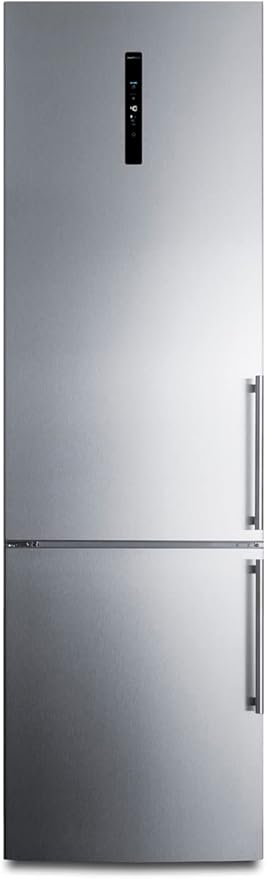
- Main Function: Designed to keep a variety of perishable foods fresh with separate compartments for refrigeration and freezing.
- Temperature Range: Typically ranges from 35°F to 40°F in the refrigerator section and 0°F in the freezer compartment.
- Storage: Offers versatile storage options for fresh produce, dairy, meats, frozen goods, and more.
- Size: Available in various sizes to fit different kitchen spaces, from compact to full-sized units.
Wine Chiller:
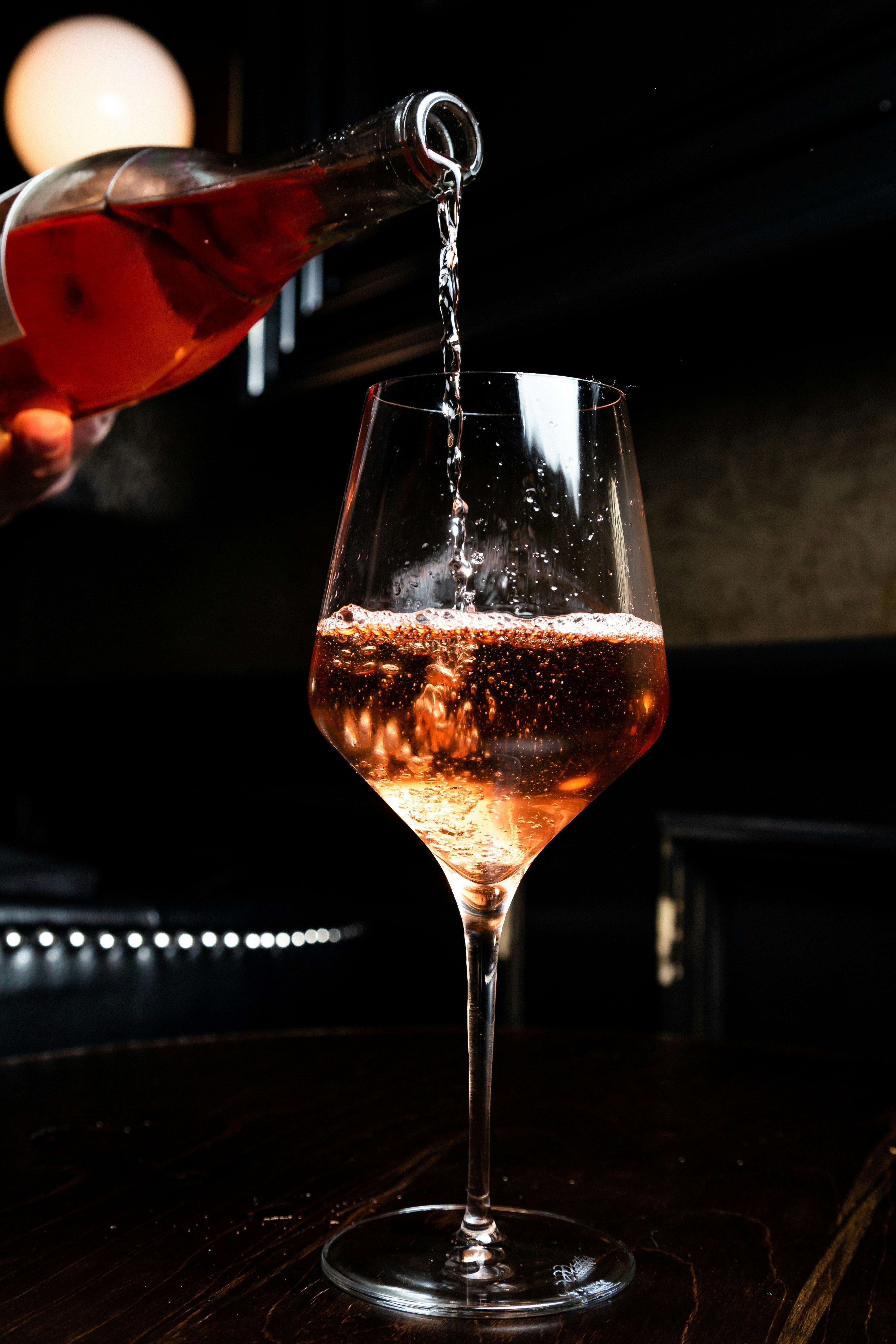
- Main Function: Specifically engineered to store wine bottles at optimal temperatures, preserving flavor and quality.
- Temperature Range: Usually maintains temperatures between 45°F and 65°F, ideal for different types of wine.
- Storage: Features racks or shelves designed to hold wine bottles in the correct position.
- Size: Comes in a range of sizes from small countertop models to larger freestanding units.
The choice between a bottom freezer refrigerator and a wine chiller often depends on your personal lifestyle, space considerations, and whether you're a wine enthusiast who requires specialized storage. For more comparisons of refrigeration options, you might be interested in exploring chest refrigerator vs. small freezer or standard fridge size vs. wine chiller to further understand different refrigeration solutions.
Bottom Freezer Refrigerators
When you're considering a new addition to your kitchen or seeking to upgrade your food preservation game, bottom freezer refrigerators present themselves as a convenient choice for many households. Let's explore the features and benefits, as well as the ideal uses and storage options that these refrigerators offer.
Features and Benefits
Bottom freezer refrigerators offer an array of features that make them a favorable option for food storage. One of the primary benefits is the ease of access to the refrigerator section, which is at eye level, allowing you to grab fresh food items without bending down. The freezer compartment is located below, where you can store frozen goods that you may not need as frequently.
| Feature | Benefit |
|---|---|
| Eye-level refrigeration | Easy access to daily essentials |
| Pull-out drawers | Organized storage and retrieval |
| Larger freezer space | Ample room for bulkier frozen items |
| Adjustable shelving | Customizable space to fit various item sizes |
| Energy-efficient models | Reduce electricity consumption and save on bills |
In addition to these, many modern bottom freezer refrigerators come equipped with advanced technology such as frost-free operation, which prevents the build-up of ice, and digital temperature control for precise adjustments. For a comparison of energy efficiency among different refrigerator types, you might be interested in energy efficient refrigerator vs. mini fridge.
Ideal Uses and Storage Options
The design of bottom freezer refrigerators makes them especially suitable for those who utilize fresh produce, dairy, and deli items more often than frozen products. Here are some ideal uses and how you can organize your storage:
- Fresh Produce: The refrigerator section frequently includes humidity-controlled drawers that are perfect for storing fruits and vegetables, helping them stay fresh longer.
- Deli and Dairy: Designated compartments for deli and dairy keep these items at the right temperature and within easy reach.
- Frozen Goods: The freezer often has multiple pull-out baskets, which are great for organizing different types of frozen foods, from meats to ready-to-bake items.
- Beverage Storage: Many models offer in-door storage where you can keep drinks, thus freeing up shelf space for other essentials.
For those who are more inclined towards freezing, you may want to consider other types of freezers. A deep dive into the pros and cons of various freezer types can be found in articles like deep freezer vs. upright freezer.
Bottom freezer refrigerators are well-suited to those who prioritize convenience and accessibility in their kitchen setup. With various configurations and features available, these refrigerators can be tailored to the specific needs of your household, whether you're a culinary enthusiast or just looking for efficient ways to store your food.
Wine Chillers
When considering options to store and preserve your fine wine collection, wine chillers emerge as an impeccable choice. Understanding their features and how they cater to the ideal storage of various wine types will guide you in making an informed decision.
Features and Benefits
Wine chillers, also known as wine coolers or wine refrigerators, are specifically designed to create the optimal environment for storing wine. They offer a range of advantages that ensure your wine matures properly:
- Consistent Temperature: Wine chillers maintain a steady temperature, which is crucial for the aging process of wine.
- Humidity Control: Proper humidity levels are maintained to keep corks in good condition, preventing them from drying out and allowing air to spoil the wine.
- Vibration Reduction: These units are built to minimize vibrations, which can disrupt the sediment in wine and affect its aging process.
- UV Protection: Many wine chillers feature glass doors with UV protection to shield wines from harmful sunlight that can degrade and prematurely age wine.
- Customizable Shelves: Adjustable shelves accommodate different bottle sizes and shapes.
These features collectively help in preserving the integrity and flavor of your wine, making wine chillers an essential appliance for any wine enthusiast.
Ideal Uses and Storage Options
Wine chillers are versatile when it comes to their uses and storage capabilities:
- Single-Zone Chillers: Best for storing one type of wine at its ideal serving temperature.
- Dual-Zone Chillers: Great for those who enjoy both red and white wines; they can store and chill two different types of wine at their respective temperatures simultaneously.
- Built-in Units: Ideal for seamless integration into cabinetry, perfect for those who prefer a streamlined look in their kitchen or home bar.
- Freestanding Units: Suitable for placement in any room, offering flexibility and portability.
When considering the best storage option for your wine chiller, think about the size of your collection, the types of wine you collect, and how you'll be using the wines. If you're a frequent entertainer, a larger, dual-zone chiller might be ideal. For more modest collections or specific wine types, a single-zone unit could suffice.
For further insights on refrigeration options, you might find interest in comparing bottom freezer refrigerator vs. wine chiller or exploring the differences between chest refrigerator vs. small freezer and deep freezer vs. upright freezer. Each article provides valuable information to help you align your refrigeration choices with your lifestyle and preferences.
Design and Placement Considerations
When choosing between a bottom freezer refrigerator and a wine chiller, design and placement within your living space are as important as functionality. These considerations influence not only the aesthetics of your space but also the practicality of the appliance usage.
Size and Space Requirements
Before selecting an appliance, evaluate the available space in your home to ensure a proper fit. Bottom freezer refrigerators typically require more space due to their larger size, while wine chillers can be more compact and versatile in placement.
| Appliance Type | Width | Depth | Height |
|---|---|---|---|
| Bottom Freezer Refrigerator | 29-36 inches | 30-35 inches | 67-70 inches |
| Wine Chiller | 12-24 inches | 20-25 inches | 34-36 inches |
Consider the door swing or drawer pullout space required for each appliance, ensuring that there's enough clearance to open the unit fully without obstruction. If space is limited, a wine chiller may offer more flexibility in placement, such as under countertops or in smaller nooks. For more information on different refrigeration options and their space requirements, explore our comparisons, like standard fridge size vs. wine chiller.
Aesthetics and Integration in Your Space
The visual harmony of your appliances with the rest of your room's design is key. Bottom freezer refrigerators often come in various finishes and styles that can match your kitchen's decor. They can be a focal point or blend seamlessly with your cabinetry.
Wine chillers, on the other hand, can add a touch of sophistication to your space. With options like glass doors and built-in lighting, they not only store your wine collection but also display it elegantly. Some wine chillers are designed to be built-in, aligning flush with your cabinetry for a sleek and integrated look. To compare different design styles, consider reading about built in wine cooler vs. freestanding wine cooler.
Whether you prefer the larger capacity and food preservation features of a bottom freezer refrigerator or the specialized storage and chic appearance of a wine chiller, ensure that the design complements your interior and the placement suits your lifestyle. Remember that each option serves a unique purpose, and your choice should align with your needs, whether for daily convenience or enhancing your home's entertainment potential.
Temperature Control and Maintenance
Maintaining the correct temperature and following proper maintenance routines are crucial for the longevity and efficiency of both bottom freezer refrigerators and wine chillers. Here's what you need to know to ensure optimal performance of your appliances.
Temperature Settings for Refrigerators and Chillers
To preserve your food and beverages at their best, it's essential to understand the ideal temperature settings for different types of refrigeration units. For bottom freezer refrigerators, the recommended temperature for the refrigerator compartment is usually around 37°F (3°C), while the freezer should be set at 0°F (-18°C). Wine chillers, on the other hand, have a wider temperature range, typically between 45°F to 65°F (7°C to 18°C), depending on the type of wine being stored.
| Appliance Type | Ideal Temperature Setting |
|---|---|
| Bottom Freezer Refrigerator (Fridge) | 37°F (3°C) |
| Bottom Freezer Refrigerator (Freezer) | 0°F (-18°C) |
| Wine Chiller (White Wine) | 45°F - 55°F (7°C - 13°C) |
| Wine Chiller (Red Wine) | 55°F - 65°F (13°C - 18°C) |
It's important to adjust these settings based on your specific needs and to regularly check the temperature to ensure it remains consistent. For more on the differences between refrigeration units, consider reading about standard fridge size vs. wine chiller.
Maintenance Tips for Optimal Performance
Regular maintenance is key to the proper functioning of your refrigerator or wine chiller. Here are some tips to keep your appliances in top shape:
- Clean Regularly: Wipe down the interior and exterior surfaces of your appliance with a soft cloth and mild detergent. Clean the rubber seals of the doors to ensure a tight seal and prevent cold air from escaping.
- Defrost Freezer: If your freezer is not frost-free, defrost it regularly to prevent ice buildup, which can affect the unit's cooling efficiency.
- Check Temperature Settings: Use a standalone thermometer to verify that your appliance is maintaining the correct temperature.
- Keep Coils Clean: Dust and vacuum the condenser coils at least twice a year to ensure efficient operation.
- Level the Unit: Make sure your appliance is level to prevent undue strain on the compressor and ensure proper door function.
- Avoid Overloading: Do not overfill your refrigerator or wine chiller, as this can obstruct airflow and lead to uneven cooling.
By following these maintenance tips, you'll extend the lifespan of your appliance and ensure it operates efficiently, saving you on potential repair costs and energy bills. For further comparisons on various refrigeration options, explore articles such as built in wine cooler vs. freezerless refrigerator or chest freezer vs. wine cellar.
Energy Efficiency and Cost
Considering the impact on both the environment and your utility bills, it's important to weigh the energy efficiency and cost implications when choosing between a bottom freezer refrigerator and a wine chiller.
Energy Consumption of Bottom Freezer Refrigerators
Bottom freezer refrigerators are designed to offer convenience and efficiency. Their design allows you to access frequently used refrigerator items at eye level, potentially reducing the time the door remains open and thus saving energy. However, the energy consumption can vary significantly based on size, model, and energy-saving features like ENERGY STAR ratings.
The following table outlines the average annual energy usage for bottom freezer refrigerators, which can help you estimate the cost implications of your choice:
| Refrigerator Size | Average Annual Energy Usage (kWh) | Estimated Annual Cost (USD) |
|---|---|---|
| 16-20 cu. ft. | 450-550 | $50-$60 |
| 21-25 cu. ft. | 550-650 | $60-$70 |
| 26-30 cu. ft. | 650-750 | $70-$80 |
Remember that these figures can vary, and it's crucial to check the specific energy guide label for the refrigerator you consider purchasing. For a comparison with other types of freezers, explore the article on energy efficient refrigerator vs. mini fridge.
Energy Consumption of Wine Chillers
Wine chillers, designed specifically to store wine at optimal temperatures, tend to have lower energy consumption compared to standard refrigerators due to their smaller size and specialized use. They're engineered to maintain steady humidity and temperature, which is less energy-intensive than the freezing function in a bottom freezer refrigerator.
Below is a table to give you an idea of the average energy usage for wine chillers:
| Wine Chiller Capacity | Average Annual Energy Usage (kWh) | Estimated Annual Cost (USD) |
|---|---|---|
| 20-30 bottles | 200-300 | $22-$33 |
| 31-50 bottles | 300-400 | $33-$44 |
| 51-100 bottles | 400-500 | $44-$55 |
The costs associated with running a wine chiller can be lower, making it an economical option for those who prioritize wine storage. For a comparison of other specialized refrigeration options, see our article on built in wine cooler vs. freezerless refrigerator.
When evaluating the energy consumption and cost of a bottom freezer refrigerator versus a wine chiller, consider the size and capacity that fits your needs and the estimated annual energy usage. Keep in mind that investing in energy-efficient models can lead to greater savings in the long run, despite possibly higher upfront costs. Your choice should align with your lifestyle, the volume of items you wish to store, and your commitment to energy conservation.
Lifestyle Factors
When choosing between a bottom freezer refrigerator and a wine chiller, your lifestyle is a determining factor. The decision hinges on your daily habits, culinary preferences, entertainment needs, and the value you place on convenience and organization.
Considerations Based on Your Lifestyle Needs
Your lifestyle encompasses several aspects that can influence your choice of appliance:
- Culinary Preferences: If you enjoy cooking with fresh ingredients and need ample space for frozen goods, a bottom freezer refrigerator might suit your needs. Conversely, if you're a wine enthusiast with a growing collection, a wine chiller could be a better fit.
- Entertainment Style: Frequent hosts who entertain guests might prefer a wine chiller to offer a variety of perfectly cooled wines. If your gatherings often include homemade meals, a bottom freezer refrigerator ensures all ingredients are within reach.
- Space Utilization: The space available in your kitchen, garage, or basement can also guide your decision. Consider whether a larger appliance or a specialized one would make better use of your area.
- Organization: A bottom freezer refrigerator typically offers more organizational flexibility for a variety of items, while a wine chiller is specialized for wine storage.
- Convenience: If you find yourself using frozen items regularly, a bottom freezer allows for easier access compared to a top freezer model. Wine chillers provide the convenience of having your wine collection at the ideal temperature and ready to serve.
Which Option Fits Your Daily Routine Better?
Reflect on your daily routine to determine which appliance aligns best with your lifestyle. Here are some scenarios to consider:
- For the Home Chef: If you prepare meals frequently, you'll likely benefit from the versatility of a bottom freezer refrigerator.
- For the Wine Aficionado: If wine tasting and collecting are part of your routine, a wine chiller is indispensable for preserving the quality of your collection.
- For the Space-Conscious: If space is at a premium in your home, you'll need to weigh the benefits of each appliance against the space they occupy.
- For the Energy-Conscious: Consider the energy consumption of each appliance, especially if you're mindful of your utility bills or environmental footprint.
To further inform your decision, explore comparisons such as chest refrigerator vs. small freezer or undercounter refrigerator vs. wine refrigerator to understand how different models fit into various lifestyles.
Ultimately, the choice between a bottom freezer refrigerator and a wine chiller is a personal one, influenced by how you live and entertain. Take the time to assess your needs, preferences, and daily habits to ensure you select the appliance that will best complement your lifestyle, making every day more efficient and enjoyable.
Get Your Upgrade or New Addition at Fridge.com
Shop the world's best brands at Fridge.com.
Whether you're searching for your perfect fridge, freezer, wine fridge, beer fridge, ice maker, or kegerator, we have what you need.
We also have tons of awesome articles about kitchen stuff and home news. Enhance your home, garage, backyard, patio, and office with the coolest essentials. With every necessary type of residential refrigerator or freezer in our collection, we've got you covered.
Elevate your game and shop now at Fridge.com!